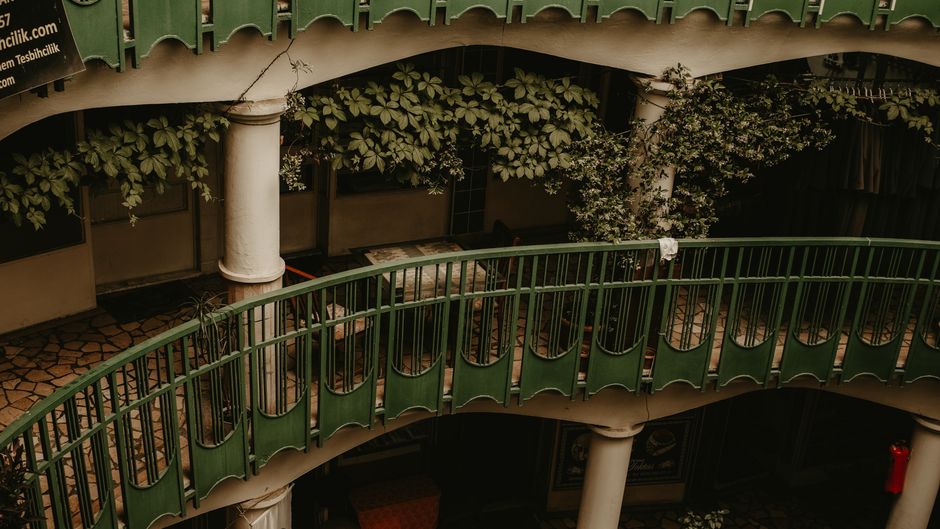
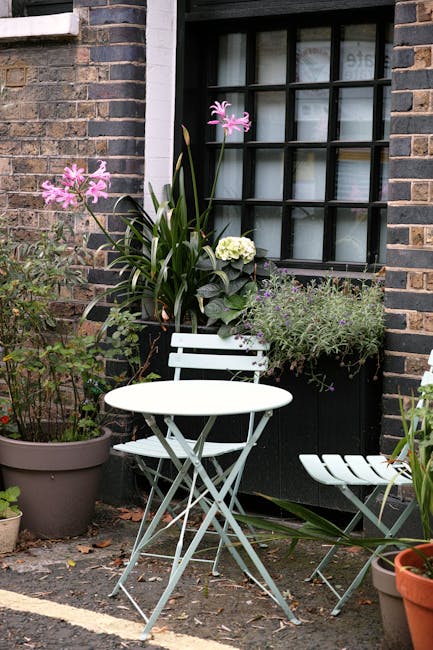
Courtyard planting ideas for Euston Road terraces NW1
If you live on or near Euston Road, you already know the reality: outdoor space is precious, often compact, and usually shaped by buildings, shade, noise, and the steady bustle of city life. That does not mean your courtyard has to feel like a leftover corner. The right Courtyard planting ideas for Euston Road terraces NW1 can turn a narrow, hard-surfaced space into somewhere calm, green, and genuinely useful.
This guide is for anyone wanting a smarter planting plan for a terrace courtyard in NW1. We will look at what works in London conditions, what tends to fail, how to choose plants, and how to make the space feel fuller without making it cluttered. A few simple decisions can change everything. Honestly, sometimes it is the difference between "nice enough" and "why didn't we do this sooner?"
Table of Contents
- Why Courtyard planting ideas for Euston Road terraces NW1 Matters
- How Courtyard planting ideas for Euston Road terraces NW1 Works
- Key Benefits and Practical Advantages
- Who This Is For and When It Makes Sense
- Step-by-Step Guidance
- Expert Tips for Better Results
- Common Mistakes to Avoid
- Tools, Resources and Recommendations
- Law, Compliance, Standards, or Best Practice
- Options, Methods, or Comparison Table
- Case Study or Real-World Example
- Practical Checklist
- Conclusion
- Frequently Asked Questions
Why Courtyard planting ideas for Euston Road terraces NW1 Matters
Courtyard planting matters here because terrace spaces in NW1 are rarely generous, and they often have to work harder than a bigger suburban garden. You are not just planting for beauty. You are solving problems: privacy, shade, drainage, dust, overlooked views, and that slightly echoey feel hard paving can create.
Near Euston Road, many terraces face traffic, tall neighbouring walls, or awkwardly enclosed light. That means planting choices have to be practical as well as attractive. A courtyard can be the first thing you see in the morning and the last thing you notice at night. If it feels harsh, the whole home can feel harsher too.
There is also the local rhythm of London to think about. Potted plants dry out faster in summer, wind tunnels can be surprisingly sneaky, and even a tiny planting mistake can make the space feel crowded. Get the structure right, though, and you can create a little pocket of calm that works in all seasons.
Key takeaway: in a NW1 terrace courtyard, good planting is not about filling every inch. It is about using layers, containers, and light-tolerant plants to make a small space feel private, breathable, and alive.
How Courtyard planting ideas for Euston Road terraces NW1 Works
The basic idea is simple: in a small terrace courtyard, planting has to do several jobs at once. It must soften hard edges, create structure, support drainage, and give the eye something restful to land on. That usually means working with containers, wall-level planting, climbers, and a restrained plant palette rather than a crowded mix of random pots.
Start by looking at how light moves through the space. Is it full sun for a few hours, bright but indirect, or mostly shade? In NW1, many courtyards are somewhere in between. That makes a mixed planting strategy useful: one or two statement plants, some medium-height shrubs, lower underplanting, and perhaps a climber to bring greenery upward.
It also works best when the layout is planned in zones. For example:
- Entry zone: a clear path and one strong focal plant.
- Seating zone: softer planting around the edges so the area feels enclosed but not cramped.
- Boundary zone: taller pots, climbers, or screens to reduce overlooking and hard sightlines.
In practice, this keeps the courtyard usable. No one enjoys squeezing sideways past a giant planter every time they step outside. We have all seen that kind of overenthusiastic arrangement. It looks good for about a week, then gets annoying.
Key Benefits and Practical Advantages
The best courtyard planting in a terrace setting does more than beautify. It changes how the space feels and functions.
1. It makes the courtyard feel larger
That sounds counterintuitive, but it is true. When plants are placed with intent, they create depth. Vertical planting, repeated shapes, and a few taller elements draw the eye upward and outward, which helps the space feel less boxy.
2. It improves privacy without building a fortress
Not every terrace needs a solid fence or tall wall treatment. Often, layered planting with bamboo alternatives, evergreen shrubs, or climbers can soften sightlines beautifully. You still get light, but not that "everyone can see my tea cup" feeling.
3. It reduces the hard-surface effect
Courtyards with lots of brick, stone, or concrete can feel sharp and echoey. Leaves, grasses, and softer planting textures absorb some visual hardness. Even one or two good-sized planters can make a startling difference.
4. It supports year-round interest
With the right plant mix, your terrace can look good in January, not just in June. Evergreen structure, winter stems, and good pot selection matter more than people think.
5. It can be easier to maintain than a conventional border
Containers are not maintenance-free, of course, but they are manageable. For many busy London households, that is the point. You can refresh compost, swap seasonal accents, and adjust the layout without digging up the whole courtyard.
If you are also improving the broader outdoor setting, services such as landscaping and landscape gardening can help tie planting into the wider hardscape so it does not feel patched together.
Who This Is For and When It Makes Sense
This approach suits homeowners, landlords, and renters with access to a terrace courtyard in NW1, especially where the space is small, overlooked, or visually plain. It also makes sense if your outdoor area is functional but not especially inviting. You know the type: somewhere you step into to water a plant and immediately want to step back inside.
You will likely benefit from this if:
- your courtyard gets partial shade or changing light during the day
- you want privacy from neighbours or street-level views
- you need low-fuss plants that cope with urban conditions
- your terrace is paved and feels too stark
- you want the space to work for sitting, not just storage
It is also a sensible route if you are preparing a property for sale or letting and want the outdoor area to photograph well. A compact courtyard with sensible planting can read as a real asset rather than an afterthought.
In our experience, the best results happen when the planting plan matches how you actually live. Do you want morning coffee outside? A private reading corner? Space for herbs? Small choices, but they matter.
Step-by-Step Guidance
Step 1: Assess the light, wind, and drainage
Before buying a single plant, watch the space at different times of day. Note where sunlight lands, where damp patches linger, and whether wind funnels through the courtyard. In London, a spot that seems sheltered can suddenly become breezy at 4pm. A little annoying, yes, but useful to know.
Step 2: Decide what the courtyard needs to do
Pick the main job first. Is it privacy? Seating? Colour? Low maintenance? Herb growing? If you try to make the space do everything at once, it usually ends up looking busy and underused.
Step 3: Choose a planting structure
Use a simple framework:
- Anchor plants: one or two larger plants for visual weight.
- Mid-layer plants: shrubs, grasses, or compact perennials.
- Softening plants: trailing or low-growing plants around the edges.
- Vertical elements: climbers, trellis, or tall containers.
This gives the courtyard shape without overfilling it. It is a bit like arranging furniture in a tiny room. If the bones are right, the rest becomes easier.
Step 4: Pick plants that suit urban courtyard conditions
Good candidates often include evergreen shrubs, shade-tolerant ferns, ornamental grasses, hellebores, heucheras, hydrangeas for brighter partial shade, hardy herbs, and climbers such as star jasmine or evergreen clematis where conditions suit. The exact choices depend on light and aspect, but the principle is the same: pick resilient plants that do not sulk at the first sign of city life.
Step 5: Use containers properly
Choose pots with enough depth for roots and make sure drainage is not blocked. Terracotta, fibre clay, metal, and treated timber all have different looks and maintenance needs. Big containers usually perform better than lots of tiny ones because they hold moisture more evenly. One larger pot can be calmer visually too.
Step 6: Build in easy access for watering and upkeep
A courtyard that looks lovely but is impossible to reach will not stay lovely for long. Leave room to water, prune, and re-pot. If the path becomes a zig-zag around containers, the design is probably trying too hard.
Step 7: Finish with repetition
Repeat a few plant shapes or pot styles. Repetition creates calm. Too many different materials or leaf forms can make a tiny space feel choppy.
Expert Tips for Better Results
Small spaces respond well to discipline, which is not always the most exciting word in gardening, but there we are. A courtyard benefits from a clear plan more than a big garden does.
- Use height wisely. A tall plant at the back or boundary can make the whole space feel more generous.
- Go heavier on foliage than flowers. Flowers are wonderful, but foliage gives long-lasting structure. A bit more reliable, too.
- Choose a limited colour palette. Greens, silver leaves, white flowers, and one accent colour often work better than a rainbow mix.
- Think in textures. Combine glossy leaves with soft grasses or fine ferns for contrast.
- Leave breathing room. A tiny courtyard needs visual space as much as physical space.
If privacy is a priority, taller container planting can be especially useful. A careful mix of screens and plants can provide cover without making the terrace feel boxed in. For more inspiration on this kind of approach, you may also want to look at tall potted choices for privacy.
And here is a small truth: not every plant needs to be exciting. Some should just behave themselves. That is underrated.
Common Mistakes to Avoid
Overcrowding the space
The most common mistake is trying to fit too many plants into too small an area. The result is often clutter rather than lushness. If every surface has something on it, the courtyard can start to feel tight instead of green.
Ignoring the light conditions
Full-sun plants in deep shade, or shade lovers in a scorching south-facing courtyard, will struggle. This sounds obvious, but it happens all the time. The label at the garden centre is not decorative; it matters.
Using too many tiny pots
Small pots dry out quickly and can look fussy. A few well-sized containers usually create a stronger design and are less labour-intensive.
Forgetting winter structure
Many courtyards look good in late spring and then collapse visually in colder months. Evergreen structure, bark texture, and architectural form help the space keep its shape through winter.
Neglecting drainage and maintenance access
Standing water, blocked drainage holes, or no room to move around the pots will become irritating very quickly. Good planting is only good if it stays functional.
Tools, Resources and Recommendations
You do not need a huge toolkit, just the right basics. For most terrace courtyard projects, these are the practical essentials:
- Strong containers: deep enough for root growth, with drainage holes
- Quality compost: suited to containers, not just any general fill
- Mulch: helps reduce moisture loss and keeps the surface tidy
- Watering can or hose attachment: especially useful during dry spells
- Secateurs and gloves: for routine maintenance
- Gravel or crocks: used carefully where needed to support drainage
If the courtyard has been neglected for a while, clearing it first can make planning much easier. A reset with garden clearance can remove the clutter that hides the real shape of the space. After that, garden maintenance support can keep the planting looking intentional rather than overgrown.
For ongoing upkeep or a more hands-off arrangement, some households also prefer to combine planting with broader garden services, especially if the terrace is part of a larger outdoor plan. That can be useful when you want one clear point of contact instead of juggling too many small jobs.
Law, Compliance, Standards, or Best Practice
For courtyard planting in an urban terrace, the main compliance concerns are usually practical rather than complicated. That said, it is wise to think about access, safety, and building-related limitations before making changes.
If you live in a shared property, leasehold building, or terrace with boundary responsibilities, check whether there are any restrictions on fixing items to walls, drilling into masonry, or altering shared areas. If the space is private, it is still sensible to avoid blocking drainage, fire exits, or access routes. That part is not glamorous, but it matters.
Good practice also includes choosing stable containers, particularly in windy spots, and avoiding planters that could tip onto paths or neighbouring property. If you are using heavy pots, place them carefully before filling them. Once they are full, they are not exactly a pleasure to move.
If you plan tree planting or larger structural work, there may be additional considerations around weight, roots, and proximity to buildings. In those cases, a professional assessment is worth it. Safety and suitability come before style. Always.
For reassurance on the operational side, it is sensible to work with a team that takes safety seriously. You can review the company's health and safety policy and insurance and safety information if you are planning more than a simple refresh.
Options, Methods, or Comparison Table
There are a few common ways to approach courtyard planting, and each has a slightly different feel. The best choice depends on how much maintenance you want and what the courtyard needs to achieve.
| Approach | Best for | Strengths | Trade-offs |
|---|---|---|---|
| Container-led planting | Small paved courtyards | Flexible, tidy, easy to adjust | Needs regular watering and feeding |
| Mixed border edges | Courtyards with soft soil areas | More natural look, better root space | Less flexible if layout changes |
| Vertical planting | Privacy and visual impact | Uses height efficiently, great for small spaces | Needs secure fixing and careful plant choice |
| Minimalist planting | Calm, modern terraces | Low clutter, strong design lines | Can feel sparse if not well balanced |
For many Euston Road terraces, a mixed approach works best: containers for flexibility, vertical planting for privacy, and a simple planting palette to keep the space cohesive. That is usually the sweet spot. Not too sparse, not too busy.
Case Study or Real-World Example
Picture a typical NW1 terrace courtyard: paved floor, one boundary wall, a narrow seating area, and a view straight onto neighbouring windows. It is not hopeless at all, just a bit unhelpful in its current form.
A practical redesign might start with three large containers along the back wall, each planted with an evergreen structural plant and softer underplanting. A slender climber is trained up a trellis to interrupt the direct sightline, while a lower cluster of herbs and seasonal plants sits near the seating area. The path remains clear. The chair still fits. The space breathes a little.
What changes? The courtyard stops feeling like a passage and starts feeling like a room outdoors. In the morning there is texture in the light. In the evening, the planting absorbs some of the hard edges and the space feels quieter, even if the street beyond is still very much London. That is the real win.
We have seen similar setups transform from "a few pots by the wall" into spaces people actually use. Not because they were overdesigned, but because they were edited carefully.
Practical Checklist
- Check how much sun and shade the courtyard gets across the day
- Measure the usable floor space before buying containers
- Decide the main purpose: privacy, seating, colour, or low maintenance
- Choose a small number of repeating plants or colours
- Use at least one taller element for structure
- Make sure every pot has proper drainage
- Leave access for watering, pruning, and cleaning
- Use mulch to help reduce drying out
- Plan for winter interest, not just summer display
- Keep the final layout uncluttered and easy to live with
If you can tick most of those off, you are on the right track. Simple really, though not always easy.
Conclusion
Good courtyard planting for Euston Road terraces NW1 is about making a small urban space feel calmer, greener, and more personal. The best ideas are rarely the flashiest. They are the ones that respect the light, the scale, and the way you actually use the space.
Choose structure first, then soften it with plants that can cope with city conditions. Keep the palette focused. Give yourself room to maintain it. And if the courtyard has felt like a forgotten patch for years, do not worry. Small spaces can change fast when the planting is right.
Get a free quote today and see how much you can save.
With the right plan, even a modest terrace can become the quiet little corner you look forward to stepping into.
Frequently Asked Questions
What are the best plants for a small courtyard in NW1?
Evergreen shrubs, shade-tolerant perennials, compact grasses, ferns, heucheras, and climbers that suit your light conditions are usually reliable choices. The exact mix depends on whether your courtyard is sunny, shaded, or somewhere in between.
How do I make a courtyard feel bigger with planting?
Use fewer, larger containers, repeat plant shapes, and add vertical planting to draw the eye upward. Clear floor space helps too. A cramped layout makes even a good plant scheme feel smaller.
Can I use tall plants for privacy on a terrace courtyard?
Yes, and in many NW1 terraces that is one of the most useful strategies. Tall containers, climbers, and structured evergreen planting can soften overlooking without shutting out all the light.
Do courtyard plants need a lot of watering?
Container plants usually need more watering than plants in the ground, especially during warm or windy weather. Larger pots hold moisture better, so they are often easier to manage than lots of small ones.
What if my courtyard is mostly shaded?
Shade does not rule out planting. It just changes the plant list. Ferns, hellebores, ivy in controlled form, and other shade-tolerant plants can work well, especially when paired with pale pots or reflective surfaces to brighten the area.
How much maintenance does courtyard planting need?
That depends on the design. A well-planned courtyard with hardy plants and enough root space can be fairly manageable. If you choose lots of seasonal plants in small containers, expect more frequent care.
Is it better to use pots or create beds in a small terrace courtyard?
Usually pots are more flexible, especially in paved or awkwardly shaped spaces. Beds can work well where there is soil access or existing borders, but containers are often easier to adjust if the layout changes later.
What are the most common mistakes in small courtyard planting?
Overcrowding, choosing plants for the wrong light level, using too many tiny pots, and forgetting winter structure are the big ones. Drainage problems are another common frustration.
Can courtyard planting help with noise or street views?
It can soften both visually and psychologically. Plants will not block traffic noise completely, but they can make the space feel more enclosed, calmer, and less exposed. That alone is often worth it.
Should I get professional help for a terrace courtyard planting plan?
If your space is tricky, overlooked, or part of a larger redesign, professional help can save time and costly mistakes. It is especially useful where drainage, boundaries, or heavier containers are involved.
How often should I refresh a courtyard planting scheme?
Many people do a light refresh seasonally and a fuller review once or twice a year. Replace tired plants, top up compost, and adjust anything that is failing in its current position. Small corrections go a long way.
What is the easiest way to start if my courtyard is just bare paving?
Start with one or two substantial containers, a simple plant palette, and one vertical feature such as a climber or screen. Do not try to finish the whole space in one go. Build it in layers, and let it settle.